Agricultural Product Quality Inspection Before Export: What Buyers Should Know
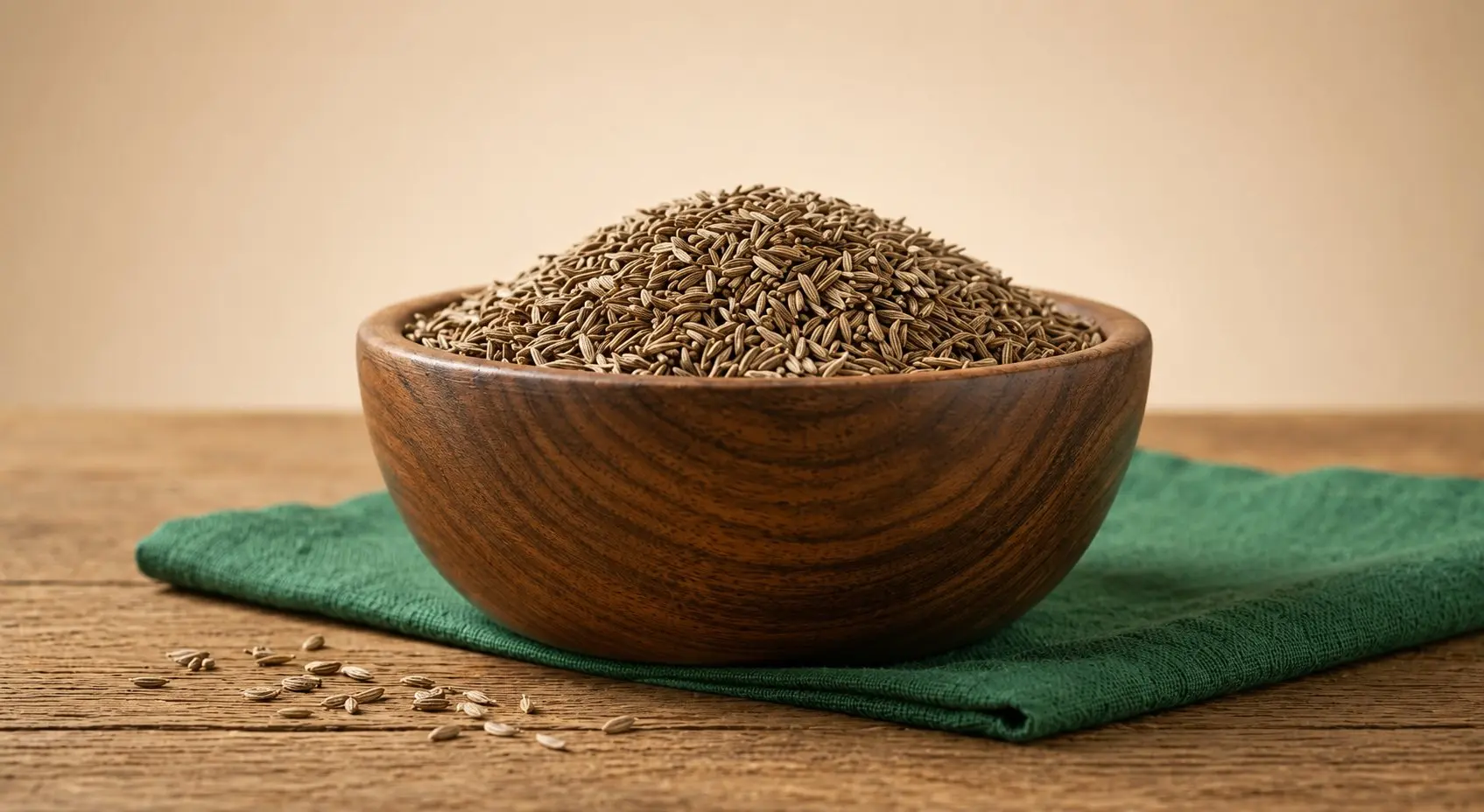
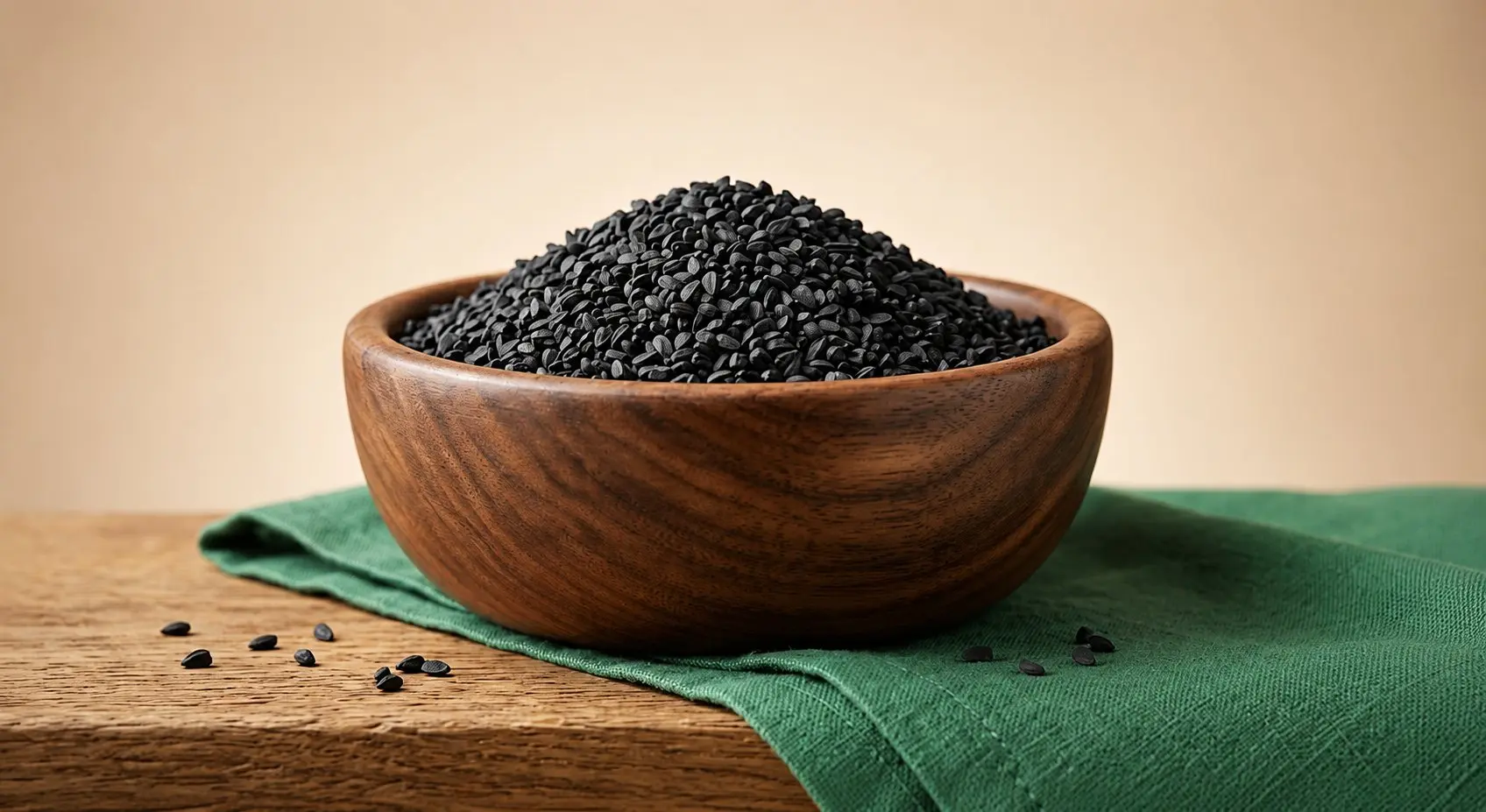
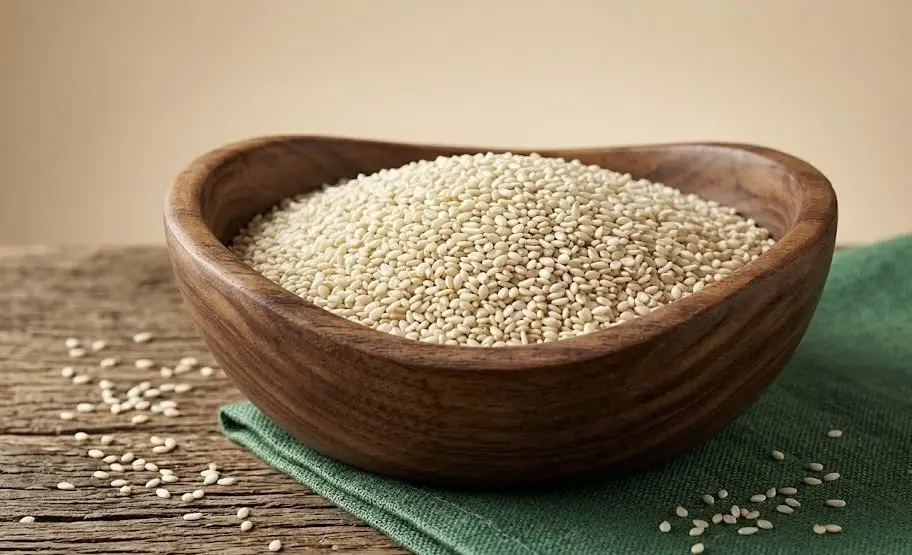
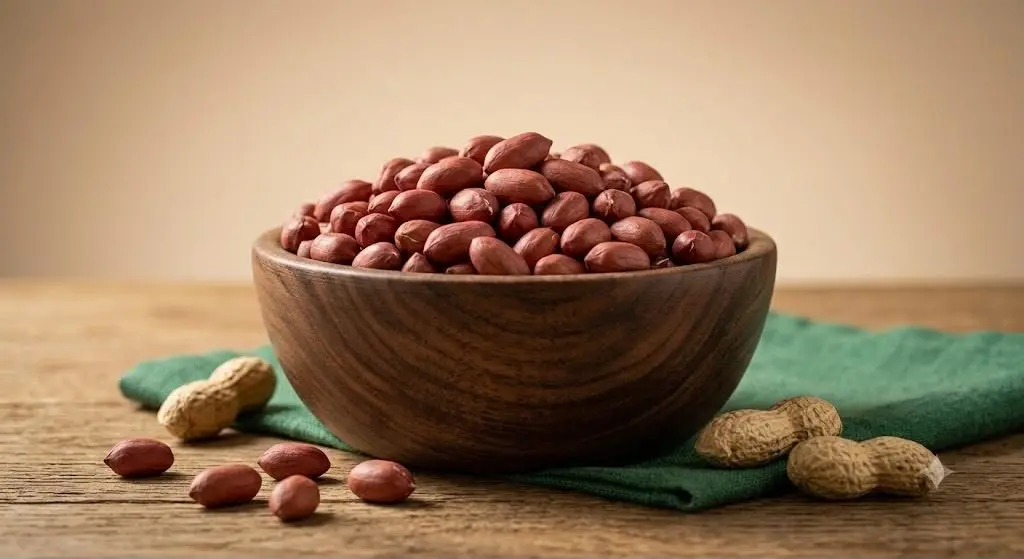
A sample of cumin can look bright and clean in a photograph and still arrive with moisture above your limit, more foreign matter than your plant can tolerate, or a missing document at the port. Photographs show appearance. They do not show moisture, contaminant levels, or whether the lot in the container matches the lot in the picture.
That gap is why agricultural product quality inspection matters to importers. When you source from India, the answer is rarely a single test or a single certificate. It is a clear product specification agreed before the order, an inspection and testing plan that fits the commodity and the destination market, and the right paperwork at dispatch.
This guide explains the main stages of inspection, the quality parameters buyers should understand, how laboratory testing and Certificates of Analysis fit in, and how to build a practical specification checklist. The examples are illustrations of checks that buyers commonly discuss — they are not universal standards, and not guaranteed specifications for any particular supplier's products.
Why Quality Inspection Matters Before Export
Once a container leaves port, fixing a quality problem becomes slow and expensive. Inspection before dispatch is where most issues can still be caught.
The Main Stages of Agricultural Product Quality Inspection
Quality inspection is a sequence of checks, not one event. Not every stage is mandatory for every product or shipment — buyers and suppliers normally agree which stages apply based on the commodity, the contract and the destination.
Visual, physical and laboratory checks compared
Visual inspection is fast and inexpensive but subjective. Physical testing gives numbers for properties that can be measured with simple equipment. Laboratory testing uses analytical methods to detect or quantify things no inspector can see, so it is usually the only reliable way to assess residues, toxins and microbial risks.
Lakshvera Global Ventures describes its own quality process in five stages: supplier verification, raw material inspection at source, laboratory testing in accredited laboratories, packaging inspection, and shipment monitoring. Which checks apply to a given order is agreed with the buyer according to the product and its specification.
Important Quality Parameters Buyers Should Understand
Acceptable limits for each parameter depend on the exact product, the contract, the intended use and applicable standards. A figure that suits one buyer's application may be unsuitable for another, so no parameter here should be read as a universal acceptance limit. Agree the numbers in writing before the order.
Laboratory Testing for Agricultural Exports
Laboratory testing adds evidence on risks that cannot be judged by eye:
Choosing tests
Tests should be selected based on commodity-specific risks, buyer requirements, intended use and destination-market rules. Not every product needs every test — unnecessary tests add cost and lead time without improving safety.
Why destination rules matter
Some import authorities maintain lists of products and origins that receive increased border checks, revised periodically — for example, certain groundnut, coriander and cumin consignments from India have appeared on such lists for aflatoxins or pesticide residues. Always check the current version for your market. In India, the Spices Board has run mandatory inspection and testing for selected spices, covering parameters such as aflatoxin, Sudan dyes, pesticide residues and ethylene oxide.
Sampling is part of the result
Mould toxins are usually unevenly distributed in a lot, so recognised sampling plans for bulk commodities such as peanuts define how samples are selected and prepared as carefully as how they are analysed. A good result on a small sample is not proof that an entire lot is clean.
The Role and Limits of a Certificate of Analysis (COA)
A COA reports test results for a specific sample. It is useful evidence, but it does not by itself prove that an entire shipment complies. When reviewing one, check:
Product-Specific Quality Checks
The following are examples of potential checks. They are not universal standards, and they are not guaranteed specifications for Lakshvera's products — each buyer's specification governs.
Cumin and Coriander Seeds
Appearance (colour, uniformity, whole vs. broken seeds), aroma, purity, moisture, foreign matter such as stalks and stones, and grade. Depending on market and use, additional tests may include pesticide residues and microbiological checks. See our guide to Indian cumin seeds.
Kalonji (Nigella Seeds)
Product identity comes first — confirm the seed is true nigella and of the agreed grade. Then check appearance, aroma, moisture, cleanliness and conformity to the written specification. Where mechanical or colour sorting is used, ask how it is controlled. See our kalonji buyer's guide.
Chilli Flakes and Chilli Products
Colour is often a key commercial parameter, sometimes expressed as an ASTA colour value, with heat sometimes specified as SHU. Particle size, moisture and foreign matter also matter, as does packaging that protects the product from moisture and light. Relevant safety testing — aflatoxin, pesticide residues, illegal dyes — depends on destination and use. See chilli flakes from India.
Sesame Seeds and Groundnuts
Buyers commonly review purity, moisture, damaged or discoloured material and foreign matter. For groundnuts, kernel grade and count are often specified, with mycotoxins such as aflatoxin a well-known risk where storage or handling has been poor. For sesame, microbiological testing such as Salmonella is sometimes requested. Read more on sesame seeds and groundnuts.
Wheat, Pearl Millet and Sorghum
Key checks include moisture, overall grain condition, foreign matter, damaged or shrivelled grain, signs of infestation, and grade. Food, milling and feed uses often carry different specifications, and some buyers also specify protein content or other analytical values. Agree these with the supplier at the outset.
Packaging and Labelling Inspection
Good product can be damaged by poor packaging. Inspection should confirm:
Lakshvera Global Ventures works with formats including 25 kg and 50 kg bags and jumbo bags, with custom packaging available according to buyer requirements.
Pre-Shipment Inspection and Export Documentation
Pre-shipment inspection checks the lot, quantity, packaging and documents before goods are loaded, so any discrepancy is found while it can still be corrected. Its value depends on agreeing acceptance criteria in advance: what will be checked, to which specification, by whom, and what happens if the lot falls short.
Documents that may be relevant include:
The documents needed depend on the commodity, the destination country, the buyer and current regulations. No shipment necessarily requires every document listed here, so confirm requirements with your customs broker or the importing authority.
India's Export Inspection Council also operates mandatory pre-shipment certification for products notified under the Export (Quality Control and Inspection) Act, 1963. Check whether your commodity is notified before assuming it applies.
A Practical Quality Inspection Checklist for Importers
Use this list when drafting a specification or purchase contract:
Common Quality Inspection Mistakes to Avoid
How to Work With an Agricultural Supplier on Quality Requirements
Start by sharing your specification in writing, including the intended use and destination, since these determine which tests matter. Ask the supplier to confirm which parameters it can meet and which documents it can provide. Request a sample where appropriate and approve it against the specification before bulk dispatch. Agree the inspection procedure, packaging and acceptance criteria, and settle commercial terms such as quantity, delivery terms and payment before the order is confirmed. Our guides to choosing an Indian agricultural exporter and sourcing bulk agricultural products from India cover these steps in more depth.
Frequently Asked Questions
Conclusion
Quality problems in agricultural trade are usually specification problems first. When requirements are precise, inspection is targeted, relevant tests are chosen for the product and market, and documents are correct, there are far fewer surprises at the port.
Looking to Source Agricultural Products from India?
Importers and bulk buyers are welcome to contact Lakshvera Global Ventures to discuss product availability, specifications, packaging and sourcing requirements — including testing and documentation needs. We'll tell you plainly what can be confirmed for your product and what needs to be verified.