How to Choose a Reliable Indian Agricultural Products Exporter
Choosing the wrong supplier for a single small order is an inconvenience. Choosing the wrong supplier for a recurring bulk agricultural contract is a production problem, a cash-flow problem, and sometimes a customer-facing problem. When spices, grains, millets, or oilseeds are involved, the exporter you select affects everything downstream — your production schedule, your quality consistency, your customs clearance, and ultimately your relationship with your own customers.
For international buyers evaluating an Indian agricultural products exporter, the decision usually comes down to a handful of practical questions: Can this supplier hold consistent specifications order after order? Will communication stay clear once the purchase order is signed? Is packaging suited to the actual shipping and storage conditions? Will documentation be accurate the first time, rather than requiring back-and-forth after the container has already sailed?
This guide walks through what to evaluate before committing to a sourcing relationship — not as a sales pitch, but as a practical framework any procurement or sourcing manager can use when assessing exporters from India.
Why Source Agricultural Products from India?
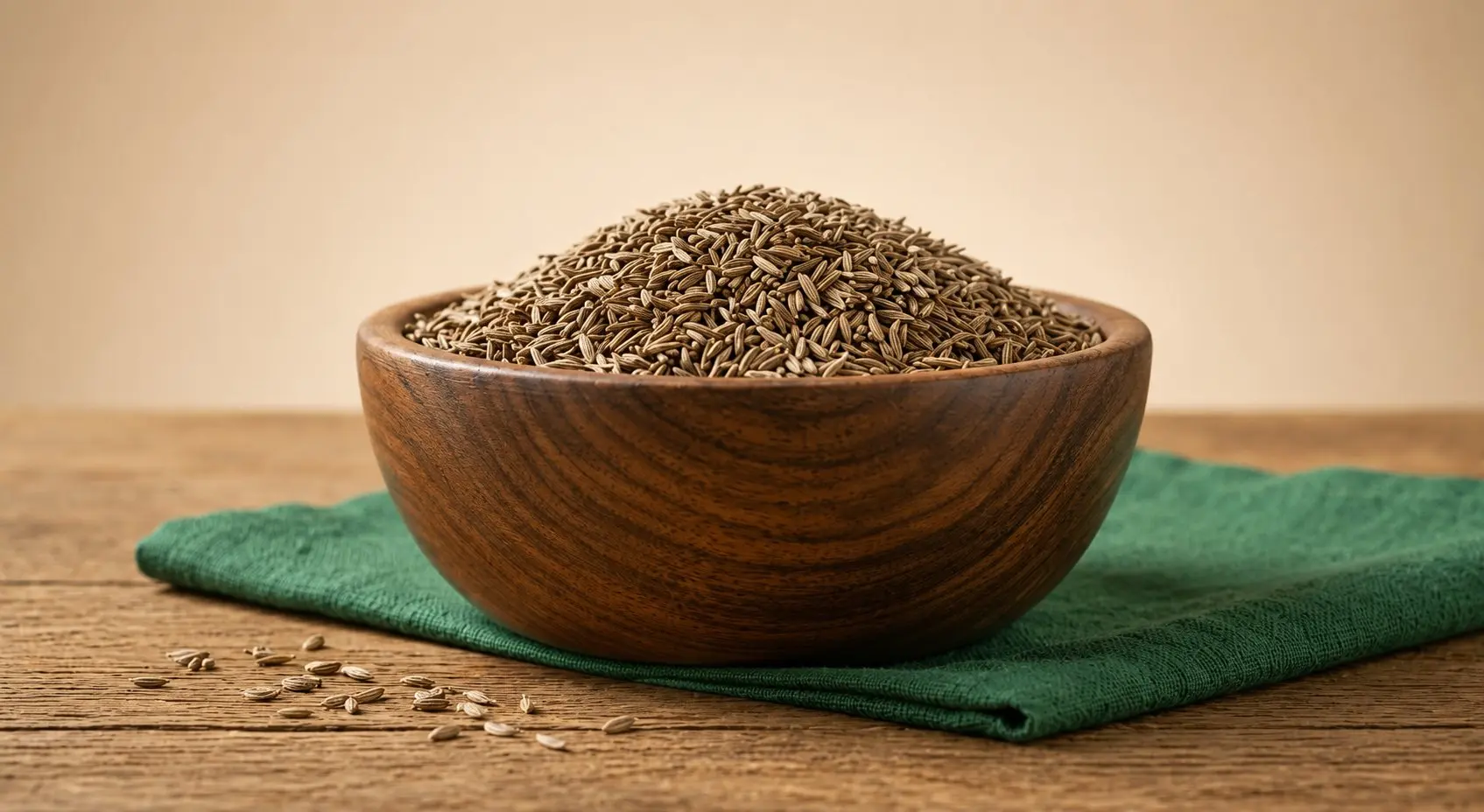
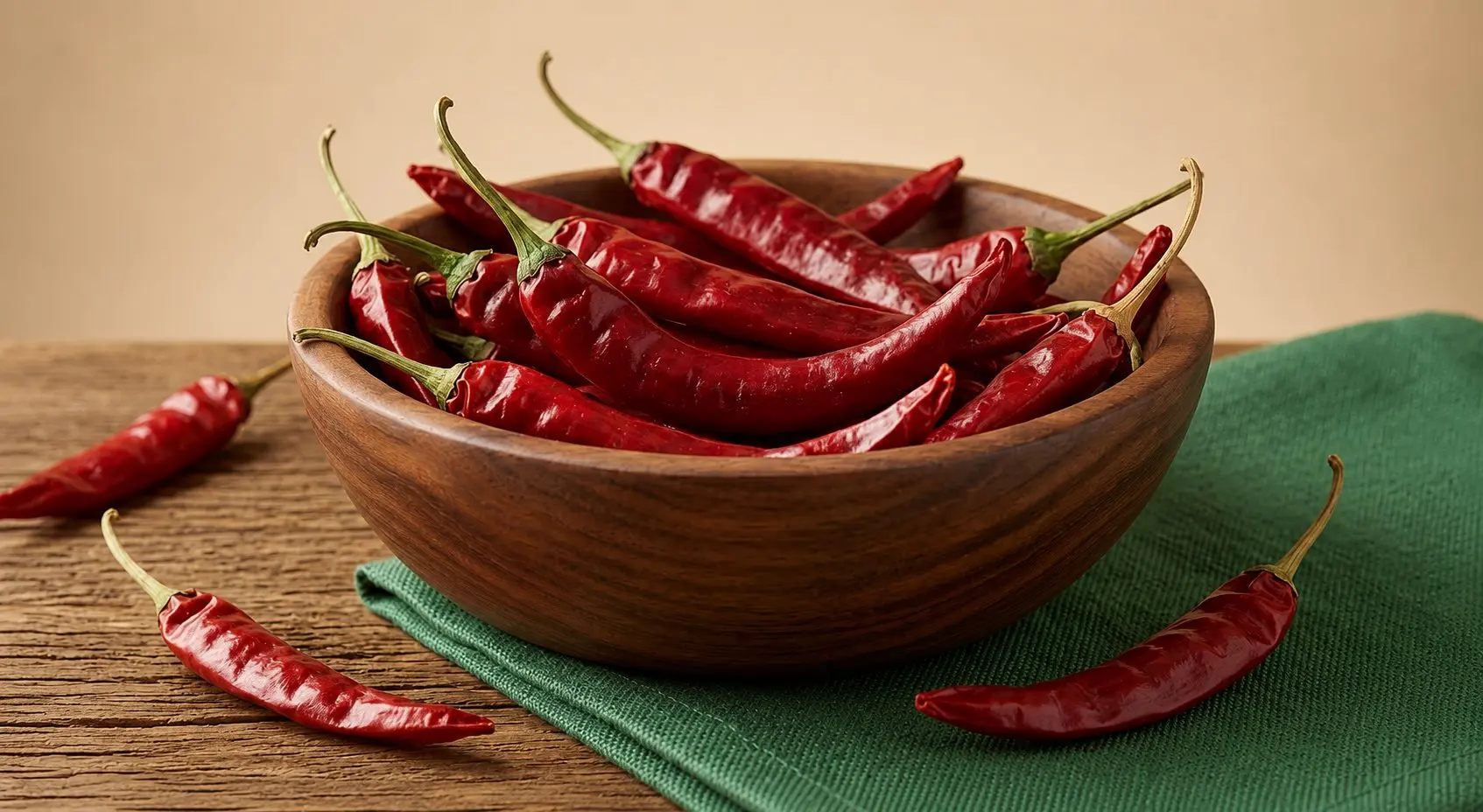
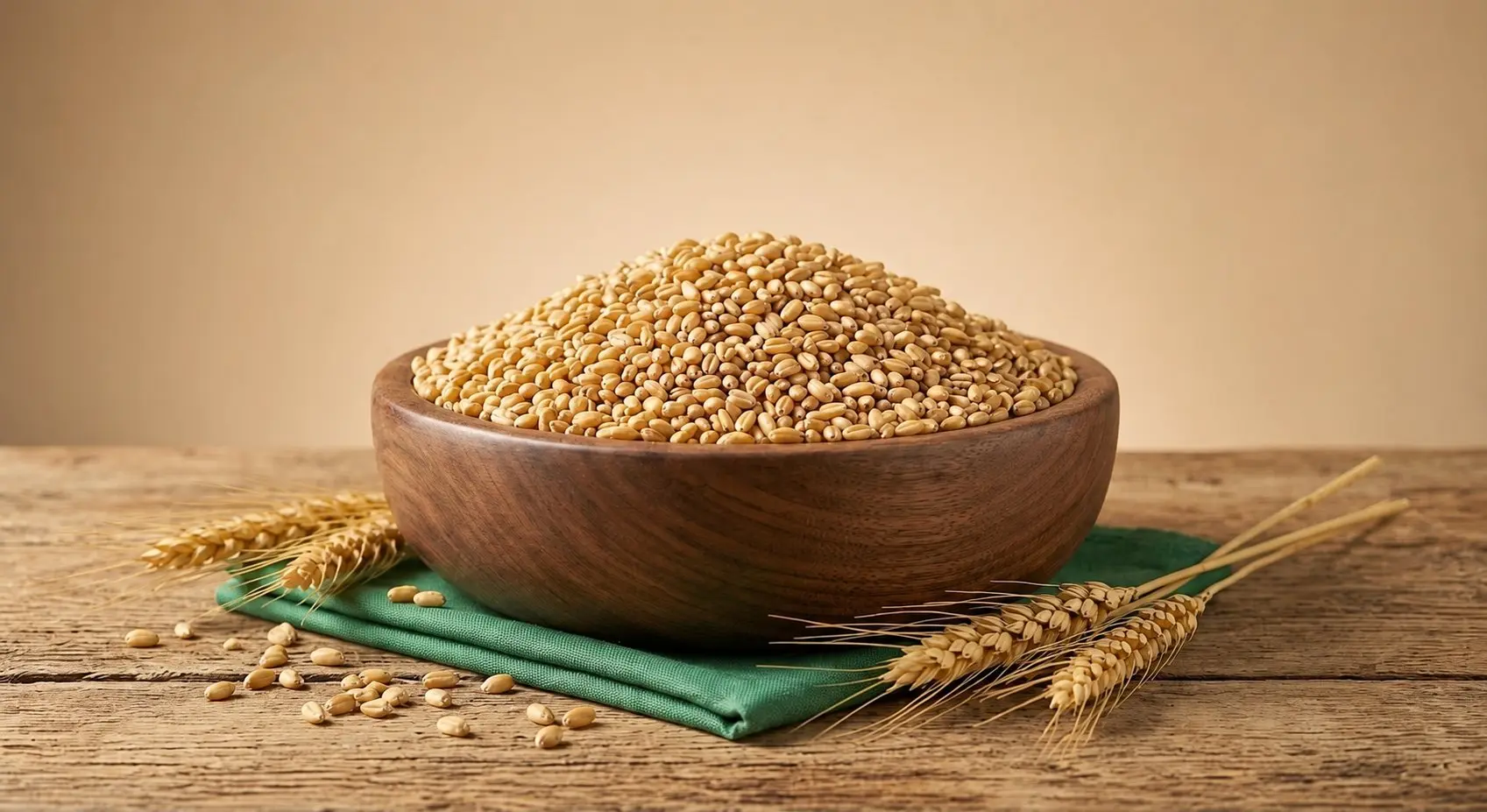
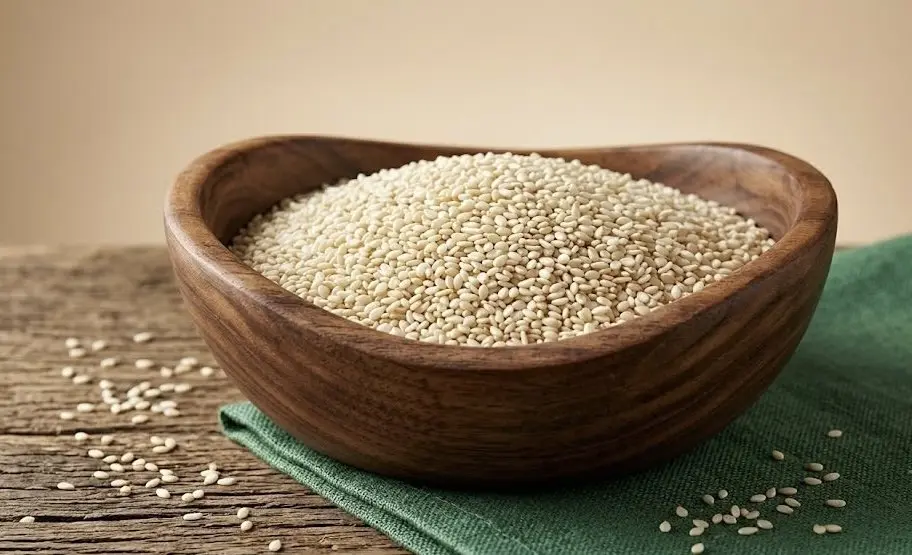
India is one of the world's most agriculturally diverse producing countries, growing a wide range of spices, grains, millets, and oilseeds across different regions and climatic zones. This diversity is one of the practical reasons international buyers look to India: a single origin country can often supply several categories — cumin seeds, chilli, wheat, sesame, groundnuts — rather than requiring separate sourcing relationships across multiple countries.
India also has a long-established agricultural trade infrastructure, including regional processing hubs, established mandis (agricultural markets), export packing facilities, and functioning port and logistics networks that international freight forwarders and customs brokers are generally familiar with.
That said, "sourcing from India" is not a single, uniform proposition. Quality, consistency, and professionalism vary considerably between exporters. The country's scale is an advantage only if paired with a supplier who can translate that broader agricultural base into a reliable, well-documented, properly packaged shipment for your specific requirement.
7 Things to Check Before Choosing an Indian Agricultural Exporter
Product Quality and Specifications
The starting point of any serious sourcing relationship is a clearly defined specification — not a general product description. Before requesting a quotation, buyers should be prepared to define:
A reliable exporter will ask detailed questions about your intended use before quoting, rather than offering a single generic product to every enquiry.
Sourcing and Supply Capabilities
Agricultural products are seasonal by nature, and supply capability should be assessed with that reality in mind. Useful questions to ask a prospective exporter:
Quality Control
Quality control typically spans cleaning to remove foreign matter, sorting and grading where applicable, inspection against agreed specifications, and attention to batch-to-batch consistency. Proper storage — protecting product from moisture, pests, and contamination — is equally important, since even a well-graded lot can degrade if stored poorly before shipment. Ask specifically what steps apply to your product, and request written confirmation for any laboratory test, certification, or process a supplier says applies to your order.
Packaging and Labeling
Packaging exists to protect the product through transit, storage, and handling. Considerations typically include:
There is no single "correct" packaging format across all agricultural products — a supplier who proposes packaging based on your specific product and destination is generally more reliable.
Export Documentation
International agricultural shipments commonly involve a combination of documents:
Not every document applies to every shipment. A reliable exporter should clearly explain which documents apply to your specific order and destination, rather than presenting a generic list as a universal requirement.
Communication and Responsiveness
Much of what separates a smooth sourcing relationship from a stressful one comes down to communication quality, not product quality alone. Before committing, assess:
A supplier who is responsive and precise during the pre-order stage is a reasonable proxy for how they will behave once an order is in progress.
Shipment and Delivery Coordination
Once an order is confirmed, execution quality matters as much as the product itself. Buyers should understand how a prospective exporter handles Incoterms, shipment planning, port coordination, container planning, transit considerations (moisture, temperature, handling risks), realistic timelines, and communication during shipment.
No responsible exporter should guarantee a fixed delivery date for international agricultural shipments, since ocean freight, customs processing, and port conditions all introduce variables outside any single company's control. What a buyer should expect instead is realistic, well-communicated planning and prompt updates if circumstances change.
Questions to Ask an Indian Agricultural Exporter Before Placing an Order
A supplier's willingness to answer these questions clearly and specifically — rather than with generic marketing language — is itself a useful evaluation signal.
Understanding MOQ, Incoterms and Payment Terms
Minimum Order Quantity (MOQ) refers to the smallest quantity an exporter is willing to supply in a single order. MOQ varies by product, packaging format, and supplier, and is worth confirming early, since it directly affects whether a supplier fits your order size.
Commonly referenced Incoterms:
EXW (Ex Works)
Buyer takes responsibility for goods from the seller's premises onward, including all transport and export procedures.
FOB (Free On Board)
Seller delivers goods on board the vessel at the port of origin; buyer arranges and bears cost/risk onward.
CIF (Cost, Insurance & Freight)
Seller arranges freight and insurance to the destination port, with risk transferring once goods are loaded.
The appropriate Incoterm depends on the specific transaction, the buyer's logistics capabilities, and what is agreed between buyer and seller — there is no universally "correct" choice, and this is not intended as legal or financial guidance. Buyers unfamiliar with Incoterms should consult their own logistics or trade-compliance advisor.
Payment terms should be agreed clearly and in writing before an order is confirmed, covering payment method, timing (advance, partial, or against documents), currency, banking details, and broader contract terms. Buyers should exercise the same caution with payment terms in agricultural trade as in any international transaction, and avoid arrangements that feel rushed or discourage normal verification steps.
How to Build a Long-Term Relationship with an Indian Supplier
A single successful shipment doesn't guarantee a good long-term sourcing relationship — and a single rough shipment doesn't necessarily rule one out, if it's handled transparently. What tends to separate durable supplier relationships from short-lived ones:
Buyers who invest time in this kind of relationship-building typically see fewer surprises over time — not because problems never occur, but because there's an established, trusted channel for resolving them quickly.
Why Choose Lakshvera Global Ventures?
Lakshvera Global Ventures is a Gujarat, India-based agricultural export company focused on connecting international B2B buyers with Indian-sourced spices, grains, millets, and oilseeds — including cumin seeds, coriander seeds, kalonji, whole chilli, chilli powder, chilli flakes, wheat, pearl millet (bajra), sorghum (jowar), sesame seeds, and groundnuts.
Our approach is built around the practical points raised throughout this article:
We are not the largest exporter in India, and we don't claim to be. What we aim to offer is a straightforward, quality-focused sourcing partner for buyers who want a supplier that treats specification, documentation, and communication as seriously as they do.
Final Checklist for International Buyers
Save this checklist and use it as a starting point for every new supplier conversation — it applies whether you're sourcing a single spice or building a multi-category procurement relationship.
Conclusion
Choosing a reliable Indian agricultural products exporter comes down to evaluating a consistent set of fundamentals: product quality and specifications, sourcing capability, quality control, packaging, documentation, communication, and shipment coordination. India's broad agricultural base makes it a practical origin, but the value of that origin depends entirely on the exporter you choose to work with.
Looking for Indian Spices, Grains, Millets or Oilseeds?
Connect with Lakshvera Global Ventures to discuss your bulk agricultural product requirements — samples, quotations, packaging, and export documentation support.