A Complete Guide to Sourcing Bulk Agricultural Products from India
International demand for Indian spices, grains, millets and oilseeds continues to grow, and for good reason. India's agricultural sector produces an unusually wide range of commodities across different regions, climates and growing seasons, making it a practical option for importers, wholesalers, food manufacturers and distributors looking to diversify their supply base.
But sourcing bulk agricultural products from India is not as simple as comparing price quotes and picking the cheapest offer. A successful import relationship depends on getting several things right at the same time: product specifications, supplier reliability, quality consistency, packaging suited to the destination market, correct documentation, clearly agreed Incoterms, workable payment terms, and coordinated shipment logistics.
This guide walks international B2B buyers through the entire process — from understanding what is available, to evaluating suppliers, to placing and managing an order — so you can approach Indian sourcing with a clear, practical framework rather than guesswork.
Why Source Agricultural Products from India?
India is one of the world's most agriculturally diverse countries, producing a broad range of spices, grains, millets, pulses and oilseeds across different states and growing seasons. A few structural factors make India relevant for B2B agricultural sourcing:
Diverse Growing Regions
Different states specialize in different crops, spreading production across varied climates and harvest calendars.
Established Export Experience
A long trading history with the Middle East, Southeast Asia, Africa, Europe and North America has shaped export-oriented packing, documentation and logistics practices.
Range of Grades and Varieties
Many commodities are available in multiple grades and varieties, allowing buyers to match specifications to their intended use.
Capacity for Bulk Procurement
Established supply chains connecting farmers, aggregators, processors and exporters support consistent bulk volumes.
None of this means every supplier will meet your requirements automatically. It simply means the underlying market has the depth and variety to support serious, ongoing procurement relationships — provided buyers approach sourcing methodically.
What Agricultural Products Can You Source from India?
Indian Spices
- Cumin seeds — spice blends, seasoning mixes
- Coriander seeds — whole or ground
- Kalonji (nigella seeds) — baking, pickling
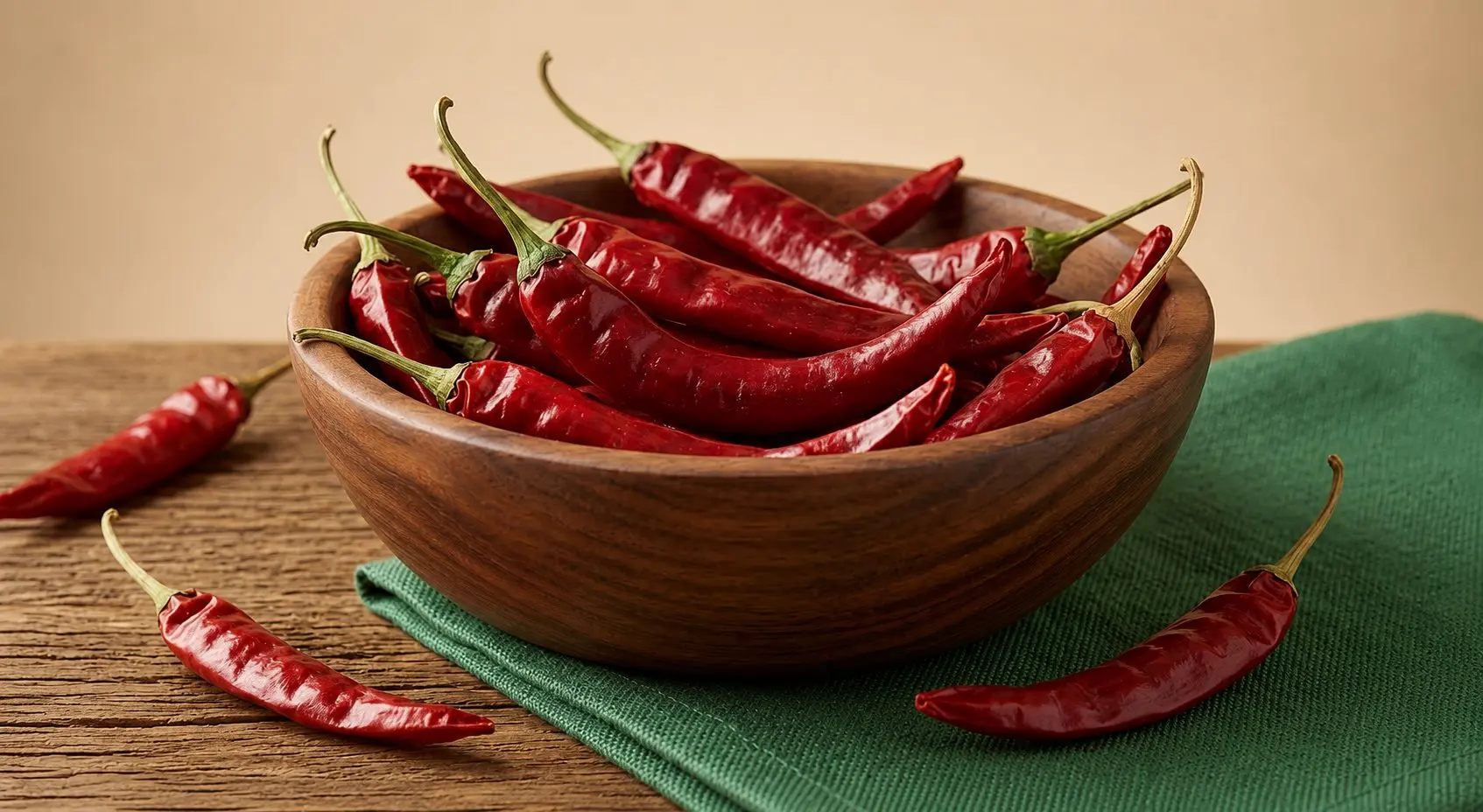
- Whole chilli — variety of heat and colour
- Chilli powder — food manufacturing, retail
- Chilli flakes — food service, snack seasoning
Grains & Millets
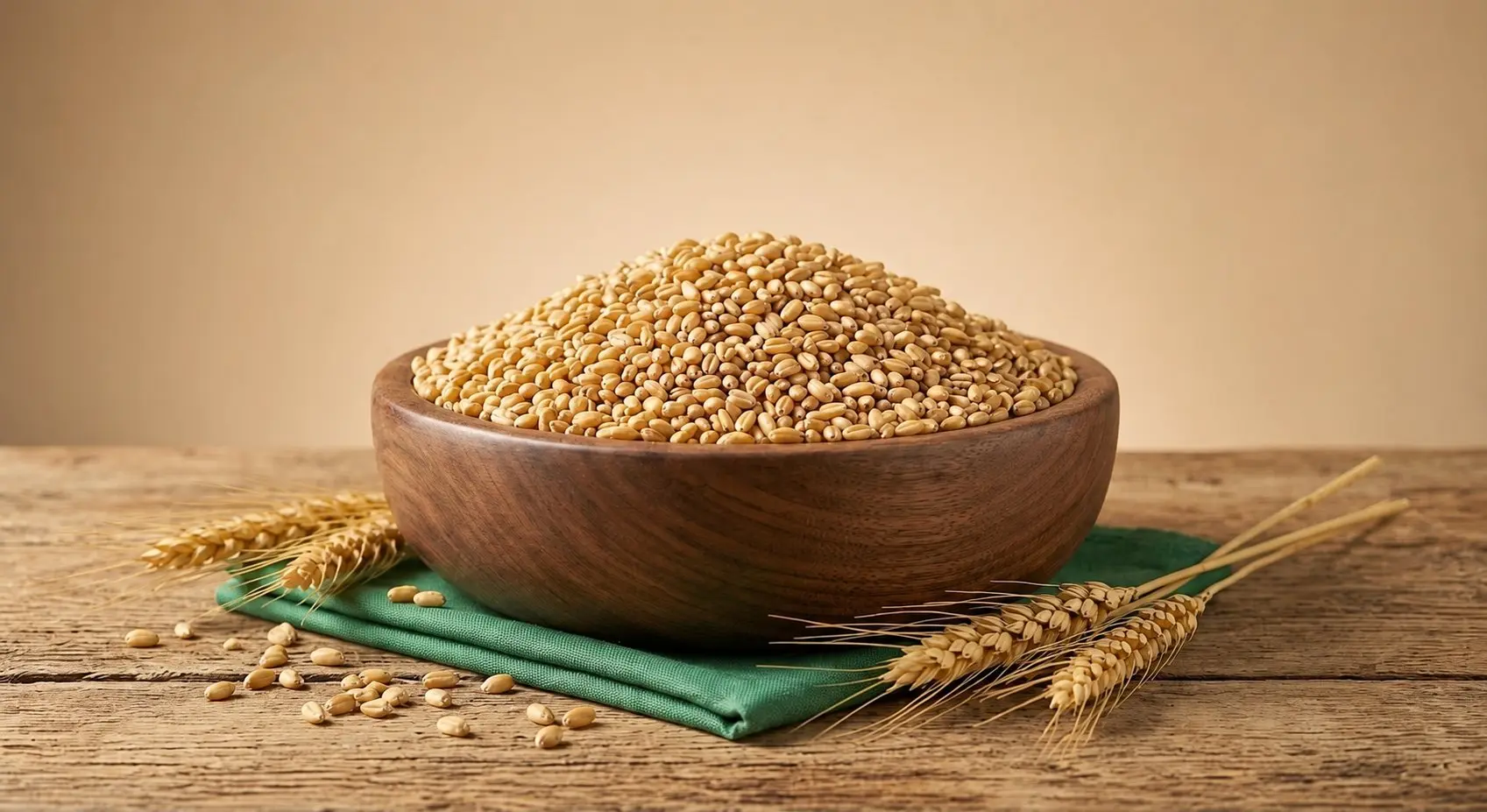
- Wheat — flour milling, food applications
- Pearl millet (bajra) — growing millet-food demand
- Sorghum (jowar) — food products, animal feed
Indian Oilseeds
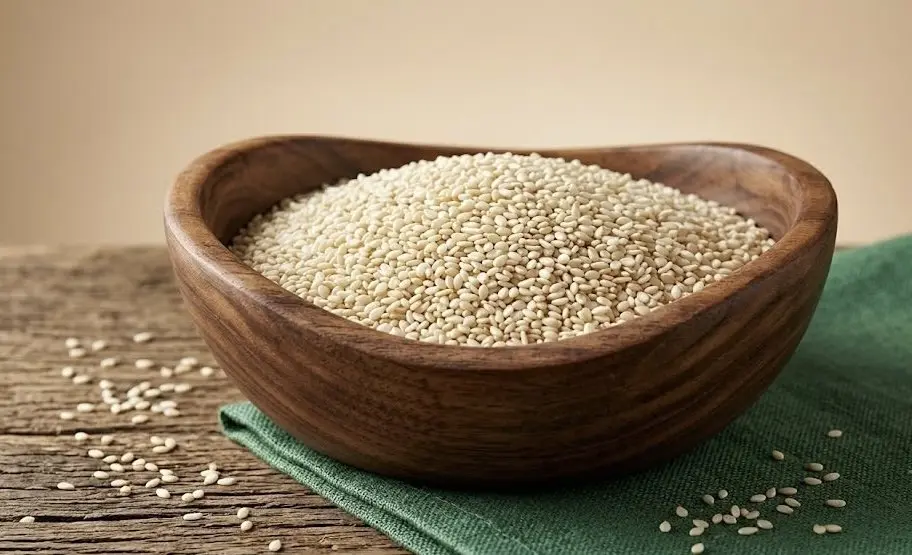
- Sesame seeds — bakery, confectionery, tahini, oil
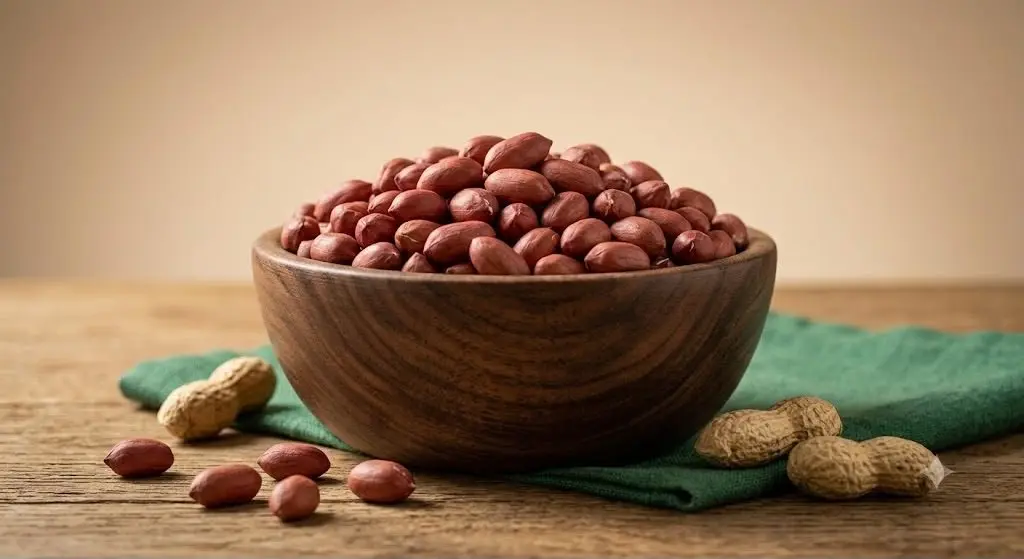
- Groundnuts — consumption, oil, snacks, confectionery
Availability, pricing, grade and lead time for any of these products can vary by season, crop year, order quantity, destination country and the specific quality parameters a buyer requires. A reliable supplier should be able to explain current availability clearly rather than promising unlimited supply of every product year-round.
How to Start Sourcing Agricultural Products from India
A structured approach reduces miscommunication and helps both buyer and supplier reach an agreement efficiently:
How to Choose a Reliable Indian Agricultural Supplier
Choosing a supplier based on price alone is one of the most common and costly mistakes in international sourcing. When evaluating a potential Indian agricultural exporter, consider:
The right supplier is one who can reliably meet your specifications over time — not necessarily the one with the lowest initial quote.
Understanding Agricultural Product Specifications
Clear specifications are the foundation of any successful bulk agricultural transaction. Depending on the specific commodity, relevant parameters may include:
Not every parameter applies to every product. Moisture content matters differently for wheat than for chilli powder, for example. The right approach is to discuss which parameters are relevant to your specific product and confirm agreed values and tolerances in writing before the order is finalized.
Quality Control When Buying in Bulk
Quality control in bulk agricultural trade is a shared responsibility between buyer and supplier: product inspection, sampling before confirming a bulk order, understanding cleaning and sorting processes, confirming grading, asking about storage conditions, discussing batch-to-batch consistency, and ensuring the supplier understands your specific requirements.
Buyers should agree on quality expectations, sampling procedures and acceptance criteria before shipment — not after the goods have already left India. If independent quality verification, laboratory testing or specific certification matters for your business or destination market, discuss this directly with your supplier and, where appropriate, an independent inspection agency.
Packaging Options for Bulk Agricultural Products
The right packaging depends on the specific product, order quantity, transit duration and destination-market requirements. It's worth discussing packaging early, since packaging capability can also affect MOQ and lead time.
Understanding MOQ When Buying in Bulk
MOQ, or Minimum Order Quantity, refers to the smallest quantity a supplier is willing to sell in a single transaction. Suppliers set MOQs for practical reasons — production planning, packaging efficiency, and the cost-effectiveness of export logistics for smaller shipments.
Understanding EXW, FOB and CIF
This is a general explanation for informational purposes only — not legal or trade-law advice. Confirm specific terms directly with your supplier and, where needed, a qualified trade or logistics professional.
EXW (Ex Works)
The seller makes goods available at their own premises. The buyer is generally responsible for arranging and paying for transportation from that point onward, including export clearance.
FOB (Free on Board)
The seller is generally responsible for delivering goods to the port and loading onto the vessel. Risk and cost transfer to the buyer once loaded.
CIF (Cost, Insurance & Freight)
The seller generally arranges and pays for shipping and insurance to the destination port. Risk typically transfers once goods are loaded.
No single Incoterm is inherently "better" — the right choice depends on your logistics capability, your relationship with freight forwarders, and what has been mutually agreed with your supplier. Always confirm the specific Incoterm and its implications in writing.
Export Documentation Buyers Should Understand
Not every document is required for every shipment. Documentation requirements should be confirmed based on your specific product and destination country's import regulations. It's good practice to check with your own country's import authority or customs broker in parallel with discussing documentation with your supplier.
Payment Terms and Commercial Discussions
Clear, mutually agreed payment terms protect both buyer and supplier. Before placing an order, both sides should clearly agree on currency, payment method, payment timing (advance, against documents, or split), bank details, order terms (including quality disputes or delays), responsibilities under the agreed Incoterm, and contractual conditions — ideally documented in a purchase order or sales contract.
For new supplier relationships, many buyers start with smaller trial orders before committing to larger recurring volumes. Buyers should exercise normal commercial caution, verify supplier details independently where possible, and avoid payment arrangements that feel rushed or unusually informal.
Shipment and Logistics Considerations
Common Mistakes International Buyers Should Avoid
Avoiding these mistakes largely comes down to asking the right questions early and putting agreements in writing.
Questions to Ask an Indian Agricultural Supplier Before Ordering
How to Build a Long-Term Relationship with an Indian Supplier
Long-term supplier relationships tend to reduce friction over time, as both sides become familiar with each other's expectations and working style.
Sourcing Agricultural Products from Gujarat, India
Gujarat is one of India's significant agricultural and trading regions, with a long-standing role in both farming and export-oriented commerce. The state contributes meaningfully to India's production of several commodities relevant to international buyers, including various spices, grains, groundnuts, sesame seeds and other agricultural products. Gujarat's ports and established trading infrastructure have also supported its role as a hub for agricultural exports.
While specific production rankings and market share vary by crop and year — and are best verified through official agricultural statistics if precise figures are needed — Gujarat's combination of agricultural output and export-oriented trading experience makes it a natural base for companies connecting Indian producers with international buyers. This is the environment Lakshvera Global Ventures operates in.
Why Work With Lakshvera Global Ventures?
Lakshvera Global Ventures is an India-based agricultural export company, operating from Gujarat, focused on connecting international B2B buyers with Indian agricultural products across spices, grains, millets and oilseeds. Our product range includes cumin seeds, coriander seeds, kalonji, whole chilli, chilli powder and chilli flakes; wheat, pearl millet (bajra) and sorghum (jowar); and sesame seeds and groundnuts.
We work directly with international importers, wholesalers, distributors, food manufacturers and bulk buyers to understand specific product requirements — including grade, packaging and destination-market needs — and to communicate clearly throughout the sourcing and shipment process, coordinating export documentation and logistics as part of a professional, export-oriented process.
Final Checklist for Sourcing Bulk Agricultural Products from India
Frequently Asked Questions
Conclusion
Sourcing bulk agricultural products from India can open valuable opportunities for international buyers, but success depends on far more than finding the lowest quoted price. Buyers who approach Indian sourcing with a structured process — defining requirements clearly, asking the right questions, and building agreements in writing — are far better positioned for successful, repeatable transactions than those who focus on price alone.
Looking to Source Indian Spices, Grains, Millets or Oilseeds in Bulk?
Connect with Lakshvera Global Ventures to discuss your bulk agricultural product requirements — samples, quotations, packaging, and export documentation support.